
1000 Words On: The Hypothetical Domain (The WHAT?)
The hypothetical domain is the inner space where thoughts, emotions, imagination, and perception meet. This blog explores how our minds can both distort reality through fear and cognitive patterns, and expand possibility through creativity, awareness, and grounded imagination.
Douglas Holwerda
Albert Einstein said, “Imagination is more important than knowledge. Knowledge is limited. Imagination encircles the world.” The hypothetical domain, where our imagination lives, is the topic we will explore here in 1000 words.
The hypothetical domain exists within our mind and includes the thoughts we think and the emotions that influence those thoughts. We might identify thoughts and emotions as separate aspects of our inner experience, but it is the relationship between the two that influences what happens inside the hypothetical domain.
Our minds are constantly active. We never stop thinking. And, while our mind uses mechanisms, like schemas, stereotypes and beliefs to create order, it also explores the connection between what is unconscious and what is conscious. When our mind is open, not focused on a task or controlled by the circumstances or stimulation around us, we experience a stream of consciousness, thoughts emerge from our unconscious, the deeper aspects of our mind.
The hypothetical domain is where all of this happens, the place where thoughts occur, sometimes controlled and focused and sometimes seemingly random and imaginative.
The hypothetical domain can be a confusing place. If we separate what happens in our mind from the relationship we have with the direct sensory experiences of the here and now, our mind can take us away from reality. It is the balance between what is happening in our mind with what is happening in our body that connects us to a grounded sense of reality.
This is particularly true when intense emotions influence our perceptions in ways that distort our thinking.
Emotions are an important aspect of who we are and how we respond to the situations and circumstances of our daily lives. They give us needed information. For example, we feel fear when we perceive there to be a danger or a threat. By feeling fear, we can act in a way that keeps us safe. The problems occur in the hypothetical domain when the intensity of the fear is not congruent with the actual danger or threat, often connected to past experiences. Our thoughts, which are trying to make sense of the situation to interpret what is going on, become distorted, inaccurate. The intensity of the emotion dominates the thought process and we begin to tell ourselves stories that might have elements of truth, but that stray too far from an accurate truth.
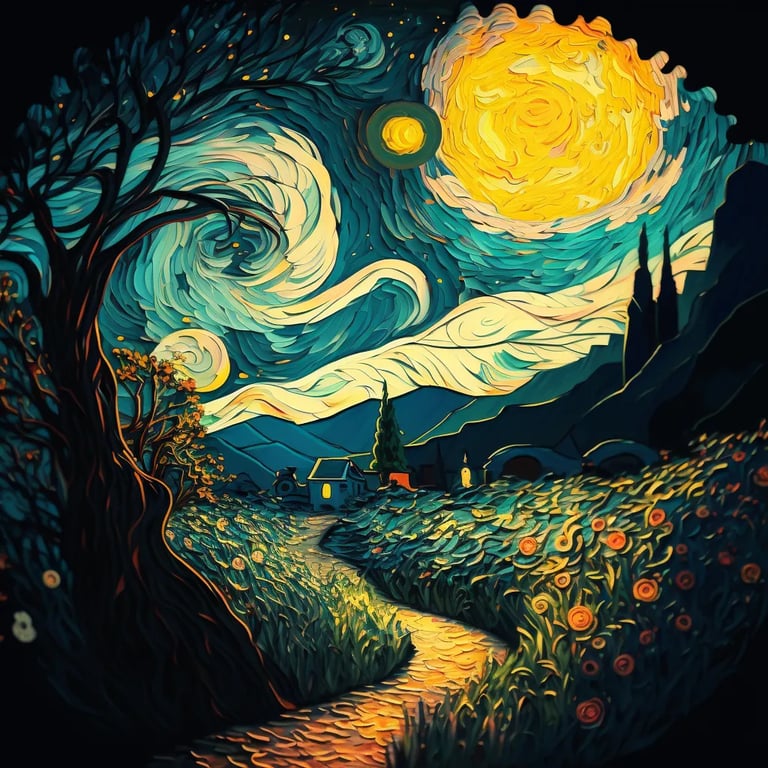
We recognize this kind of thinking as having “cognitive distortions”, identified by Aaron T. Beck in 1972.
Some examples include:
1. Dichotomizing: Thinking in terms of either/or, good/bad, success/failure, fat/ thin, etc., and excluding the range in between.
2. Overgeneralizing: Using words such as always, never, everyone, every time, etc., when they cannot be true.
3. Magnifying negatives and discounting positives: dwelling on negative aspects of an event, giving it more importance and influencing emotions…and ignoring positive events and thereby losing the influence and importance they have.
4. Catastrophizing: Exaggerating the extreme negative, seeing something as excessively bad, awful, unbearable, inevitable, etc.
5. Moralizing: Using words like should, must, ought to, have to, etc., when they imply and duty or obligation where none exists. Having high expectations and high levels of self-judgment.
6. Hindsight: Nagging ourselves about how things would be different now if only we had done something different in the past.
These cognitive distortions, and others, are influenced by emotion and generate activity in the hypothetical domain that takes us away from the here and now of direct experience. We can spend a lot of time worrying about the future, fueled by anxiety or fear or… judging ourselves harshly fueled by guilt or shame. We can get caught in emotional storms which steer our thinking into distorted and sometimes destructive patterns. We overthink and believe what our thoughts are telling us, even when they are sometimes untrue.
Generally speaking, most of us spend some time with emotional thoughts in the hypothetical domain, but we can shift back and forth between the hypothetical domain and direct experiences we have with a focused mind or through our senses. Sometimes we become obsessed and cannot shift ourselves away from the intrusive thoughts that feed off from one another. Emotions like anxiety and anger tend to drive that kind of thinking, and unless we can diminish the impact of those emotions we might be stuck in a circular pattern of thought.
We also can fall into an unhealthy set of beliefs when we do not understand that intense emotions are driving our thoughts in a distorted and unhealthy way. To believe distorted thinking is to live as if it is true. It can create self-fulfilling prophecies and produce outcomes that are consistent with what we believe without understanding the distortions or limitations of those beliefs. An example might be, if we tell ourselves we are not good at something, it becomes much less likely that we will be.
This can have significant implications for those who have negative views of themselves, limiting their lives. The hypothetical domain is not always confusing. It is the source of much of the innovation, creativity and expression that humans have demonstrated since the beginning of history. The hypothetical domain separates humans from other animals by allowing us into a world that has not yet been discovered.
Much is discovered in the space in our minds when we are open and receptive, at ease and playful, clear-thinking and grounded in reality.
It can be a place where we consider options, explore ideas, discover possibilities and rehearse performances. When we are emotionally regulated, we stay away from cognitive distortions that come from beliefs and intense emotions, we are more likely to connect with our inner life as a source of information and inspiration.
Our imagination is where we see possibility, where we connect different aspects of our experiences, add metaphor and interpret ideas. Books are written, art is produced, plans are made, enjoyment is recalled, new ideas are generated…in the big world of the hypothetical domain.