
1000 Words On: Being Triggered
This piece explores how emotional triggers are rarely about the present moment alone, but are shaped by a deeper interplay between our thoughts, feelings, and unresolved past experiences. When something activates us, our mind quickly weaves together current perception, emotional response, and stored memories, often leading us to react in ways that feel overwhelming or misaligned with reality.
Douglas Holwerda
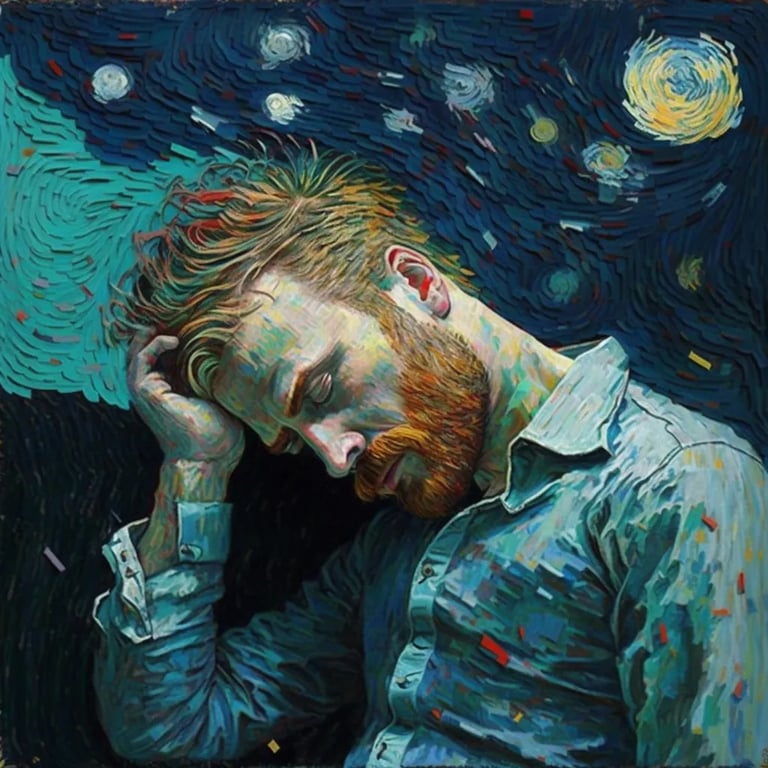
Our inner world can be an active place, particularly when something is bothering us. Our thoughts and our emotions, when the intensity is high, can pull us out of the present moment into the hypothetical domain where we spend time trying to make sense of what is going on. Our imagination is activated by triggering emotions running stories through our heads and losing track of our surroundings.
It is the combination of thoughts and emotions that generate the inner experience. Quite often when we get triggered by something that has happened, our emotions respond to it, and thoughts get generated as a result. Our body might register a reaction as well, but often we lose touch with what our body is telling us and become pre-occupied with our emotionally charged thoughts.
While it might be a situation that triggers us, it is rarely the situation alone which causes the inner storm. We all have a storehouse of unresolved emotions, our emotional baggage, which might quickly add intensity to our feelings from being triggered. Once our emotions reach a level of intensity, they generate thoughts which tend to escalate the emotions even more. Our thoughts, often beliefs we have developed about the way things are, start to tell us a story about what is happening. It might be an accurate interpretation or it might be based on past experiences, more so than on the present situation.
In the heightened emotion of the triggering situation, we might react without fully grasping what is going on. We might over-react, saying or doing things we regret later, when we are calm enough to see more clearly what has happened. Only later, when we are calmer, can we see the influence of the past experiences and our emotional baggage on the current situation.
Being triggered means setting off a series of internal reactions. It starts with the situation that has triggered us. Often it is what someone said or did, an action on the part of someone or something else. The second part is that our emotional reaction tells us something about what has occurred. If we feel fear, it is because we perceive there to be a danger or a threat. If we feel anger, it is because we perceive something to be unfair or not right. Every emotion has a purpose, giving us information about what is happening. Then we have thoughts that come as a result of that situation. We immediately begin to interpret, to make sense of, what is happening. Part four connects our emotion to past experiences of that emotion or to interpretations of past experiences we are being reminded of. In a matter of seconds, we are reacting to a situation with an emotion, with thoughts which are interpreting the situation and with reminders of past situations, previous emotions and previous interpretations. Much of what has already shaped us can influence our reactions to our current situations.
Let’s look at an example. A twelve-year-old boy was bitten on the ankle by a dog while running home, late for dinner. The large dog had chased him before grabbing his ankle causing the boy to fall. He kicked the dog, which ran off, before limping home. The wound was not severe, but it scared him on top of the fear he had of his parent’s anger for being late. When he arrived, his father was upset and did not listen to the boy as he was telling him of being bitten. When the boy broke into tears, he was told not to be a child and was sent to his room without dinner.
This event had a lasting impact on the boy. He became fearful of dogs and was vigilant when he walked through neighborhoods. He avoided walking alone. When he saw a dog he would have high anxiety, would become frozen, seeking someone to protect him. Other boys made fun of him for being afraid of dogs, especially dogs they knew were not threatening. The boy also became vigilant about the time, especially if was getting close to the time he was supposed to be home.
For him, seeing a dog was a triggering event, having high levels of fear and anxiety was his reaction. He held beliefs from the past that dogs are dangerous. His imagination would take over quite quickly, thoughts of being chased and bitten, of being scolded, of feeling alone and un-soothed. He missed opportunities to befriend and experience a dog as friendly and enjoyable companion.
On a deeper level, he lost the innocence of feeling safe and protected. Fear became an ingredient in the make-up of his being.
Without realizing it, unresolved painful emotions from experiences we have in life, live in our subconscious, the basement of our mind. This storehouse of beliefs and emotions effects how we function in the world, how we feel about ourselves and how we perceive the future. When these emotions are shame and guilt, we create a belief about ourselves that we are not deserving of good things in life. When we hold a lot of fear and anxiety we see through the lens of mistrust, become overly cautious, wanting to control the world around us in order to feel safe. When we have anger, we perceive ourselves to be victimized by the unfairness of those around us. In each case we bring our perspective to new situations as they occur, often reinforcing beliefs we already hold rather than seeing more clearly the truth specific to each situation.
When we consider what triggers us, we can learn a lot about ourselves if we are willing to introspectively consider that our perceptions might be unduly influenced by past experiences. When we face our fears, understand and own our emotions, when we question our beliefs, particularly those which cause us trouble, we can overcome the limitations they impose on us. Often, with the help of therapy, we can free ourselves from unresolved emotions and limiting beliefs.